

FIFA World Cup 2026: The Ultimate Guide to Groups, Schedules, and Standings
The FIFA World Cup 2026 has officially arrived, marking a historic milestone in soccer history. Co-hosted by three powerhouse nations—the United States, Mexico, and Canada—this edition is the biggest tournament ever. For the first time, the tournament features an expanded format of 48 national teams competing across 16 iconic host cities, delivering a total of 104 high-octane matches.
The New 48-Team Format & Group Overview
In this revamped tournament structure, the 48 qualified nations are divided into 12 groups of four teams each (Groups A to L). The top two teams from each group, alongside the eight best third-placed finishers, will advance to a brand-new Round of 32 knockout stage.
-
Group A: Mexico, South Korea, Czechia, South Africa
-
Group B: Canada, Switzerland, Qatar, Bosnia and Herzegovina
-
Group C: Brazil, Morocco, Haiti, Scotland
-
Group D: United States, Paraguay, Australia, Türkiye
-
Group H: Spain, Cabo Verde, Saudi Arabia, Uruguay
FIFA World Cup 2026 Live Standings (Group A Sample)
As the group stage matches progress, teams are battling intensely for the top spots. Here is the official point table standing for Group A after the opening matches:
Image Alt Text Suggestion: Live Group A point table for FIFA World Cup 2026 showing standings of Mexico and South Korea.
Match Schedule & Recent Results
The tournament kicked off on June 11, 2026, with an energetic opener in Mexico City. Below is the schedule and real-time score tracking for key opening fixtures and upcoming group games.
Key Takeaways from the Opening Matches
-
Host Nations Start Strong: The United States put on a dominant display in Los Angeles, securing a comprehensive 4–1 win over Paraguay, while Mexico thrilled home fans with a clean 2–0 victory in the tournament’s curtain-raiser.
-
Goal Festivals: Germany made a massive statement in Group E by putting seven goals past debutants Curaçao in a historic 7–1 victory.
-
Heavyweight Stalemates: Powerhouses Brazil and the Netherlands were held to intense ties by Morocco and Japan respectively, proving that the gap in world soccer is closer than ever.
As the tournament heads toward the final on July 19, 2026, stay tuned for updated standings, daily scores, and knockout round calculations!
The Host Cities and Iconic Stadiums
The infrastructure for the 2026 edition is nothing short of spectacular. Instead of building brand-new stadiums from scratch, the host nations are utilizing world-class, established arenas, most of which are home to premier NFL and Liga MX teams. A total of 16 host cities are anchoring the tournament: 11 in the United States, 3 in Mexico, and 2 in Canada.
United States Venues
The US is hosting the majority of the matches, including the high-stakes knockout rounds and the final. Iconic venues include:
-
New York New Jersey Stadium (MetLife Stadium): The prestigious venue chosen to host the FIFA World Cup Final on July 19, 2026.
-
Los Angeles Stadium (SoFi Stadium): Known as one of the most expensive and architecturally stunning stadiums ever built, hosting key USMNT fixtures.
-
Dallas Stadium (AT&T Stadium): Hosting the maximum number of matches (9 games) due to its massive capacity and state-of-the-art retractable roof.
-
Other major US cities include Atlanta, Boston, Houston, Kansas City, Miami, Philadelphia, San Francisco Bay Area, and Seattle.
Mexico and Canada Venues
-
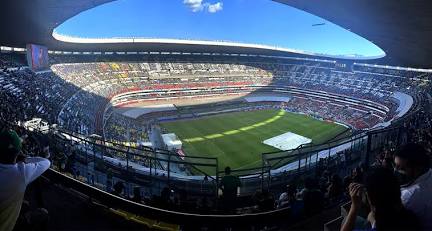
Estadio Azteca (Mexico City): Made history by becoming the first stadium ever to host matches in three different World Cup editions (1970, 1986, and 2026). It proudly hosted the tournament’s official opening match.
-
Guadalajara and Monterrey: Bringing the vibrant Mexican football culture alive at the Estadio Akron and Estadio BBVA.
-
Toronto Stadium & BC Place Vancouver: Representing Canada, these stadiums offer incredible modern facilities and scenic backdrops for the northern fixtures.
New Tactical Rules and Gameplay Changes for 2026
FIFA and the International Football Association Board (IFAB) have introduced strict new rules for this tournament to speed up the game, reduce time-wasting, and enhance fair play.
-
The 5-Second Restart Rule: To combat time-wasting, referees can now initiate a visual 5-second countdown for throw-ins and goal kicks. If a player fails to release the ball in time, possession is forfeited, and a corner kick is awarded to the opposing team.
-
Strict 10-Second Substitution Rule: Substituted players now have exactly 10 seconds to leave the pitch once their number is displayed. If they delay, the substitute cannot enter the field until the next stoppage after one full minute of play, temporarily leaving their team with 10 men.
-
Anti-Confrontation Red Cards: In a bid to protect player integrity, any player who covers their mouth while confronting an opponent or official will receive a straight red card to stamp out hidden discriminatory language.
-
Mandatory Hydration Breaks: Regardless of the local weather conditions, a mandatory 3-minute hydration break is now enforced exactly 22 minutes into each half of every single match.
Why the 2026 World Cup is a Historic Milestone
The FIFA World Cup 2026 is redefining the global sports landscape. By bringing together three massive nations, expanding the roster to 48 countries, and implementing game-changing structural regulations, this tournament is designed to be the most inclusive and watched event in human history.
From the opening whistle in Mexico City to the crowning of the world champions in New York New Jersey, every goal, every point, and every tiebreaker counts more than ever before. Keep refreshing our live tables to stay ahead of every historic moment!
Frequently Asked Questions (FAQs) – FIFA World Cup 2026
Q1: How many teams are playing in the FIFA World Cup 2026?
Ans: For the first time in history, 48 teams are competing in the FIFA World Cup, which is an expansion from the traditional 32-team format used in previous editions.
Q2: Which countries are hosting the 2026 World Cup?
Ans: The tournament is being jointly co-hosted by three North American countries: the United States, Mexico, and Canada. Matches are split across 16 different host cities.
Q3: How does the new 48-team knockout format work?
Ans: The 48 teams are divided into 12 groups of four. The top two teams from each group, along with the eight best third-placed teams across all groups, qualify for the newly introduced Round of 32 single-elimination knockout stage.
Q4: Where and when will the FIFA World Cup 2026 Final take place?
Ans: The final match of the tournament will be played on July 19, 2026, at the New York New Jersey Stadium (MetLife Stadium) in East Rutherford, New Jersey.
Q5: Which countries are making their FIFA World Cup debut in 2026?
Ans: Four nations are making their historic tournament debut in this edition: Cabo Verde, Curaçao, Jordan, and Uzbekistan.
Q6: How many total matches will be played in the 2026 tournament?
Ans: Due to the expanded format, a total of 104 matches will be played over a 39-day period, making it the biggest and longest World Cup ever organized.